
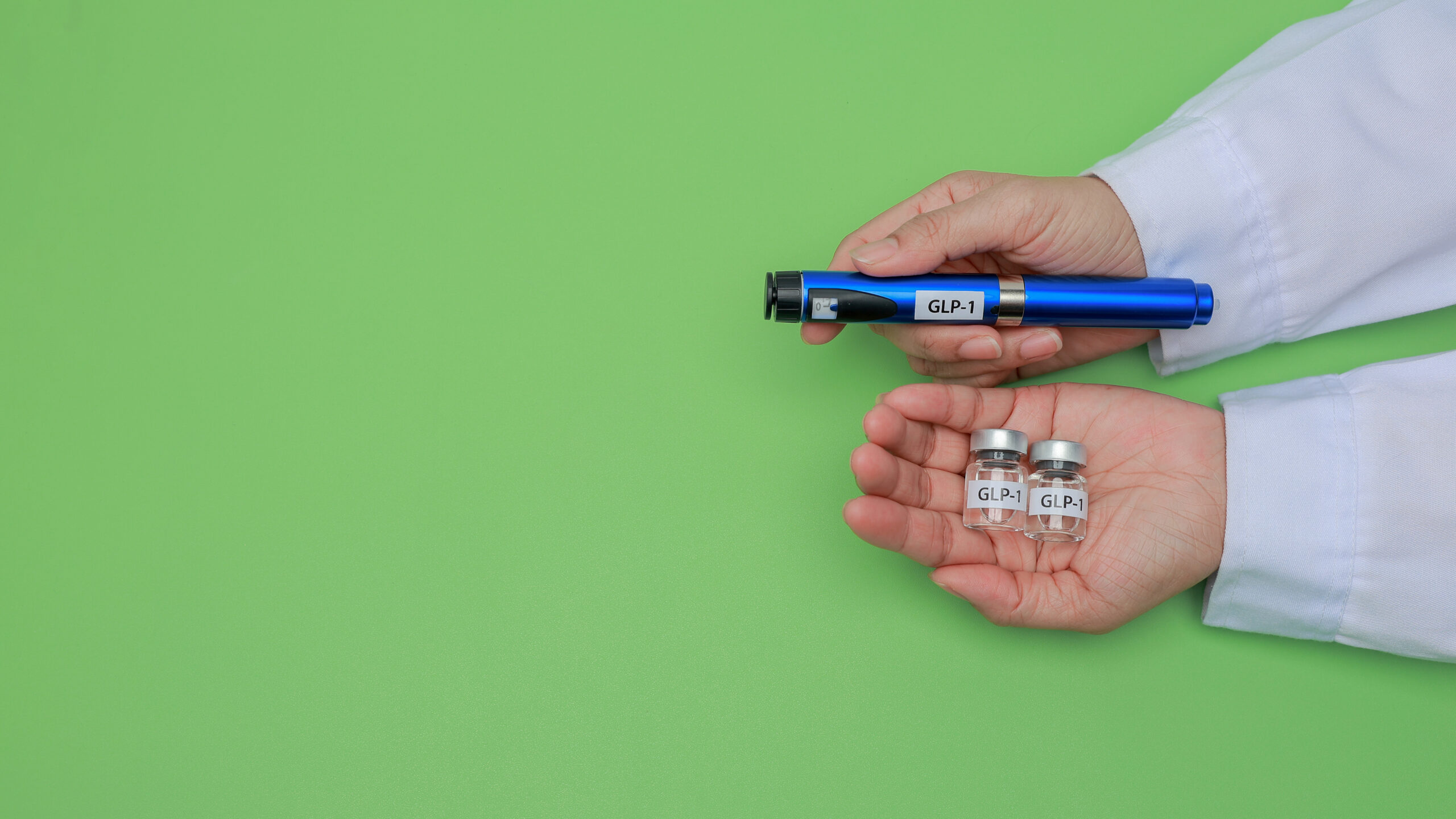
GLP-1 medications have become increasingly well known for their role in weight management and type 2 diabetes care. But what exactly do these medications do inside the body, and why can they help people feel fuller while also improving blood sugar levels?
The answer starts with a naturally occurring hormone called glucagon-like peptide-1 (GLP-1). GLP-1 is released by the digestive system after you eat and helps coordinate several processes involved in blood sugar, digestion, hunger, and fullness. GLP-1 medications work by mimicking some of these natural effects.
What Is GLP-1?
GLP-1 is an incretin hormone that plays an important role in regulating blood glucose after meals. When food enters the digestive system, GLP-1 helps signal the pancreas to release insulin when blood sugar is elevated. It also helps reduce the release of glucagon, a hormone that can raise blood glucose.
GLP-1 also affects digestion and appetite. It can slow the rate at which food leaves the stomach and contributes to feelings of fullness and reduced hunger. These combined effects help explain why GLP-1 medications can influence both metabolic health and body weight.
How Do GLP-1 Medications Work?
GLP-1 medications activate GLP-1 receptors throughout the body, essentially extending and strengthening some of the effects of the body’s natural GLP-1 hormone.
They support insulin release
When blood glucose rises, GLP-1 medications can help the pancreas release more insulin. Insulin helps move glucose from the bloodstream into cells where it can be used for energy.
They reduce glucagon
These medications can also decrease glucagon secretion when blood sugar is elevated. Because glucagon signals the liver to release glucose, reducing unnecessary glucagon activity can help improve blood sugar control.
They slow stomach emptying
GLP-1 medications can slow how quickly food moves from the stomach into the small intestine. This can slow the rise in blood glucose after eating and may help you feel satisfied for longer.
They influence hunger and fullness
GLP-1 receptors are also involved in appetite regulation. By influencing signals between the digestive system and brain, these medications may decrease hunger, reduce cravings, and increase feelings of satiety. This can make it easier for some people to follow a reduced-calorie eating plan.
How Do GLP-1 Medications Help With Weight Loss?
Weight loss isn’t simply about willpower or eating less. Hunger, hormones, metabolism, sleep, medications, and other factors can all influence a person’s ability to lose and maintain weight.
GLP-1 medications can address some of the biological factors involved in appetite. By increasing fullness and reducing hunger, they may make it easier to consume fewer calories without constantly feeling hungry.
Some medications used for weight management mimic GLP-1, including semaglutide. Other medications, such as tirzepatide, activate both GLP-1 and GIP receptors and are therefore technically dual GIP/GLP-1 receptor agonists.
Importantly, medication is generally most effective as part of a broader weight-management plan that may include nutrition, physical activity, and ongoing medical support.
What Are the Common Side Effects?
Because GLP-1 medications affect the digestive system, gastrointestinal symptoms are among the most common side effects. Depending on the medication and individual, people may experience nausea, vomiting, diarrhea, constipation, decreased appetite, or stomach discomfort.
Not everyone experiences the same effects, and symptoms may change as the body adjusts to treatment. That’s one reason medical supervision is important when starting or adjusting these medications.
Are GLP-1 Medications Right for Everyone?
GLP-1 medications aren’t appropriate for everyone. A healthcare professional should consider your medical history, current medications, health goals, and potential risks before recommending treatment.
For people considering medical weight management, a personalized evaluation can help determine whether medication may be an appropriate part of their overall plan. At Absolute Healthcare, individualized wellness and weight-loss plans are designed around each patient’s needs and goals.
The important takeaway is that GLP-1 medications don’t simply “burn fat.” They work through several biological pathways that influence blood sugar, digestion, hunger, and fullness. Understanding how they work can help you have a more informed conversation with your healthcare provider about whether this approach may be right for you.
Frequently Asked Questions
1. How quickly do GLP-1 medications start working?
Some people notice changes in appetite or fullness relatively early, while other benefits develop over time. The response varies based on the medication, dosage, individual health factors, and treatment plan.
2. Do GLP-1 medications only work for diabetes?
No. Some GLP-1-based medications are approved for weight management in people with overweight or obesity, while others are approved for type 2 diabetes. The appropriate medication depends on the individual’s health needs and the specific medication’s approved uses.
3. Do GLP-1 medications replace diet and exercise?
No. Medication can be one component of a comprehensive weight-management strategy. Nutrition and physical activity remain important parts of supporting long-term health and maintaining progress.