
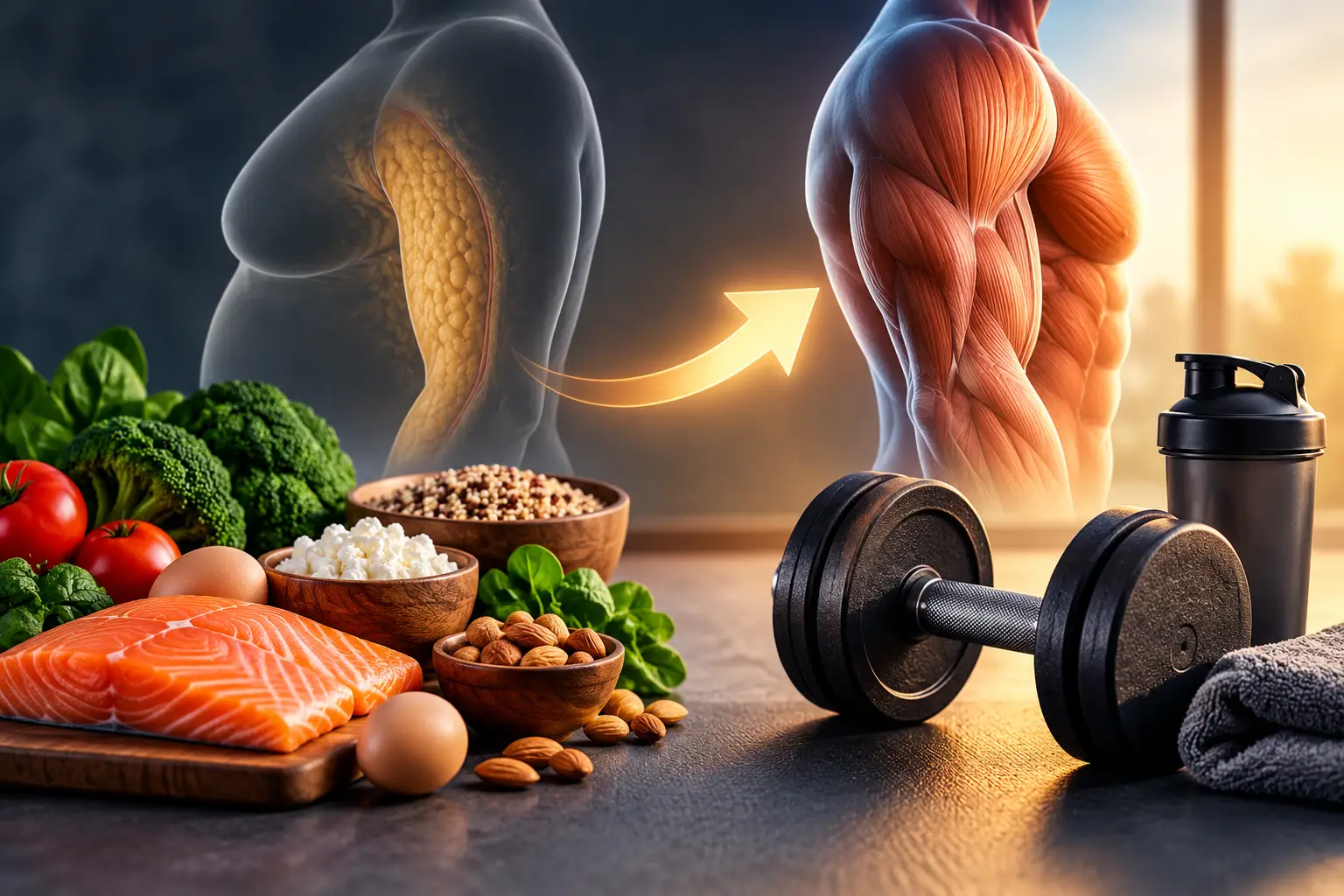
Losing weight is a great step toward better health, but losing muscle along the way can affect your strength, energy, and metabolism. The goal isn’t simply to see a lower number on the scale. It’s to lose excess body fat while maintaining lean muscle mass.
Fortunately, with the right nutrition, exercise, and recovery habits, you can preserve muscle while losing weight and support long-term health.
Why Do You Lose Muscle When Losing Weight?
When you consume fewer calories than your body burns, you create a calorie deficit. This encourages your body to use stored energy, but some weight loss may come from muscle rather than fat.
Muscle loss becomes more likely when you follow overly restrictive diets, consume insufficient protein, or avoid resistance training.
Maintaining muscle mass matters because muscles support movement, physical strength, and metabolic health. By focusing on fat loss rather than rapid weight reduction, you can improve your body composition while protecting your strength.
How to Preserve Muscle While Losing Weight
Preserving muscle requires a balanced approach involving proper nutrition, consistent physical activity, and adequate recovery.
Eat Enough Protein Every Day
Protein provides the building blocks your body needs to repair and maintain muscle tissue.
Include protein-rich foods such as eggs, chicken, fish, Greek yogurt, beans, and tofu in your daily meals.
For many healthy adults who exercise regularly, approximately 1.2–1.6 grams of protein per kilogram of body weight daily can help support muscle preservation during weight loss. Individual needs vary, particularly with certain medical conditions.
Prioritize Strength Training
Strength training is one of the most effective ways to prevent muscle loss during weight loss.
Exercises such as squats, lunges, resistance-band movements, and weightlifting encourage your body to maintain muscle mass.
Aim for strength training at least twice weekly, targeting major muscle groups. Gradually increasing resistance as your fitness improves can help maintain strength while reducing body fat.
Maintain a Moderate Calorie Deficit
Extreme calorie restriction may increase the risk of losing muscle alongside fat.
Instead, aim for gradual, sustainable weight loss through balanced meals and regular physical activity.
A moderate calorie deficit allows your body to use stored fat while making it easier to meet your nutritional needs.
Personalized weight-loss programs can help you develop realistic nutrition and exercise habits.
Get Enough Sleep and Recovery
Muscle recovery doesn’t happen only during exercise. Rest also plays an important role.
Most adults should aim for seven to nine hours of sleep each night. Adequate sleep supports recovery, exercise performance, and appetite regulation.
Allowing time between challenging strength-training sessions also helps your muscles recover.
How Can You Tell If You’re Losing Fat Instead of Muscle?
The scale alone cannot reveal whether you’re losing fat or muscle.
Monitor your strength, waist measurements, and how your clothes fit. Maintaining strength while your waist measurement decreases can be an encouraging sign.
Body composition assessments may provide additional information, although no single measurement is perfectly accurate.
If you’re experiencing noticeable weakness or rapid weight loss, consider discussing your progress with a healthcare professional.
Final Thoughts
You don’t have to sacrifice muscle to achieve a healthier weight. Adequate protein, regular strength training, moderate calorie restriction, and proper recovery can help you lose fat without losing muscle.
At Absolute Healthcare of Georgia, we encourage sustainable, individualized approaches to weight management that support overall health.
Frequently Asked Questions
1. Can you lose weight without losing muscle?
Yes. Adequate protein, strength training, and gradual weight loss can help minimize muscle loss, although complete prevention isn’t always possible.
2. How much protein do you need to preserve muscle while losing weight?
Many active adults benefit from approximately 1.2–1.6 grams of protein per kilogram of body weight daily, depending on their health and activity level.
3. Does walking help preserve muscle during weight loss?
Walking supports cardiovascular health and calorie expenditure, but resistance training provides a stronger stimulus for maintaining muscle mass.