
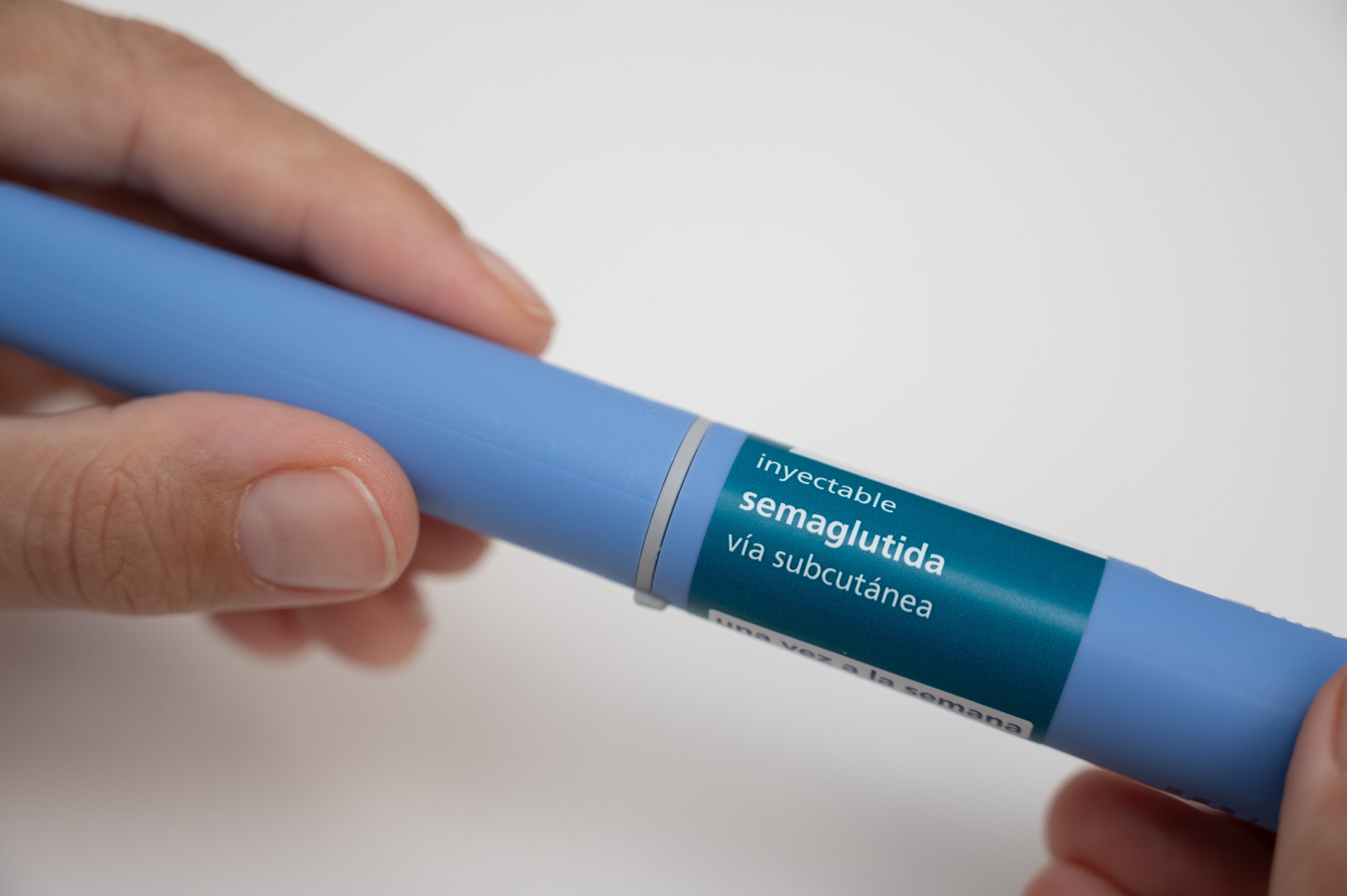
If you’ve been researching medical weight loss, you’ve likely come across semaglutide vs. tirzepatide. Both medications have become popular options for helping eligible patients manage weight, but they work somewhat differently and may offer different benefits.
At Absolute Healthcare of GA, we believe choosing a weight-loss medication should be based on your health history, goals, lifestyle and medical needs—not simply which medication is trending. Here’s what to know about these two options.
Semaglutide vs. Tirzepatide: What’s the Difference?
Semaglutide is a GLP-1 receptor agonist. It works by mimicking a hormone involved in appetite regulation, blood sugar control and digestion. Semaglutide is available under different brand names for different medical indications, including Wegovy for chronic weight management.
Tirzepatide is different because it activates both GIP and GLP-1 receptors. This dual action can influence appetite, food intake and blood sugar regulation. Tirzepatide is marketed as Zepbound for chronic weight management and Mounjaro for type 2 diabetes. The FDA approved Zepbound for eligible adults with obesity or overweight accompanied by at least one weight-related health condition.
How Semaglutide and Tirzepatide Work
Both medications can help people feel fuller and reduce appetite, making it easier to maintain a reduced-calorie eating plan.
Semaglutide primarily targets the GLP-1 pathway, while tirzepatide targets both GIP and GLP-1. Both are typically administered as once-weekly injections when used in their injectable weight-management formulations, with doses gradually increased under medical supervision.
Neither medication should be viewed as a quick fix. A comprehensive weight-management approach generally combines medication with nutrition, physical activity and sustainable lifestyle changes.
Which Is More Effective for Weight Loss?
One of the biggest questions surrounding semaglutide vs. tirzepatide is which produces greater weight loss.
Recent head-to-head research provides useful insight. In the 72-week SURMOUNT-5 trial involving adults with obesity who did not have type 2 diabetes, participants receiving tirzepatide experienced an average weight reduction of 20.2%, compared with 13.7% for those receiving semaglutide. Tirzepatide also produced a greater average reduction in waist circumference.
However, clinical-trial averages do not predict exactly how an individual will respond. The most effective option is one that fits your health needs and can be used safely and consistently.
Side Effects and Safety Considerations
Both medications can cause gastrointestinal side effects, particularly while the dose is being increased. Common concerns may include nausea, diarrhea, constipation, vomiting and abdominal discomfort.
These medications also have important warnings and contraindications. For example, the FDA prescribing information for Wegovy includes a boxed warning concerning thyroid C-cell tumors and states that it should not be used by people with a personal or family history of medullary thyroid carcinoma or MEN 2.
Your healthcare provider should review your medical history, medications and potential risk factors before recommending either treatment.
Which Medication May Be Better for You?
There isn’t one medication that is automatically right for everyone. Your provider may consider your weight-management goals, blood sugar, existing health conditions, medication history, tolerability, insurance coverage and personal preferences.
If you’re considering treatment, talk with a qualified healthcare professional who can help determine whether semaglutide, tirzepatide or another approach makes sense for you.
The Bottom Line
When comparing semaglutide vs. tirzepatide, both can be effective tools for medical weight management. Current head-to-head evidence suggests tirzepatide may produce greater average weight loss, but individual results and suitability vary.
The right choice should be part of a personalized treatment plan—not a one-size-fits-all decision.
FAQs
1. Is tirzepatide stronger than semaglutide?
Clinical research has found greater average weight loss with tirzepatide in a direct comparison, but individual responses can vary.
2. Can semaglutide and tirzepatide be taken together?
They should not be combined unless specifically directed by a qualified healthcare professional. Your provider can recommend an appropriate treatment strategy.
3. How quickly do semaglutide and tirzepatide work?
Weight loss generally occurs gradually as treatment is adjusted. Both medications typically use dose escalation to help patients tolerate treatment.
4. Which has fewer side effects?
Both can cause gastrointestinal side effects. Your individual tolerance may depend on your dose, health history and how your body responds to treatment.
5. How do I know which medication is right for me?
A healthcare provider can evaluate your medical history, goals, medications and risk factors to determine which option may be appropriate.